 Zonect
Drone Window Washing vs. Traditional Building Cleaning: The Complete Guide for Commercial Property Owners in 2026
Drone Window Washing
Introduction: Why Traditional Building Cleaning Is Becoming a Major Liability
Commercial property owners and facility managers face a growing challenge: keeping building exteriors clean, attractive, and compliant while controlling maintenance costs and minimizing risk.
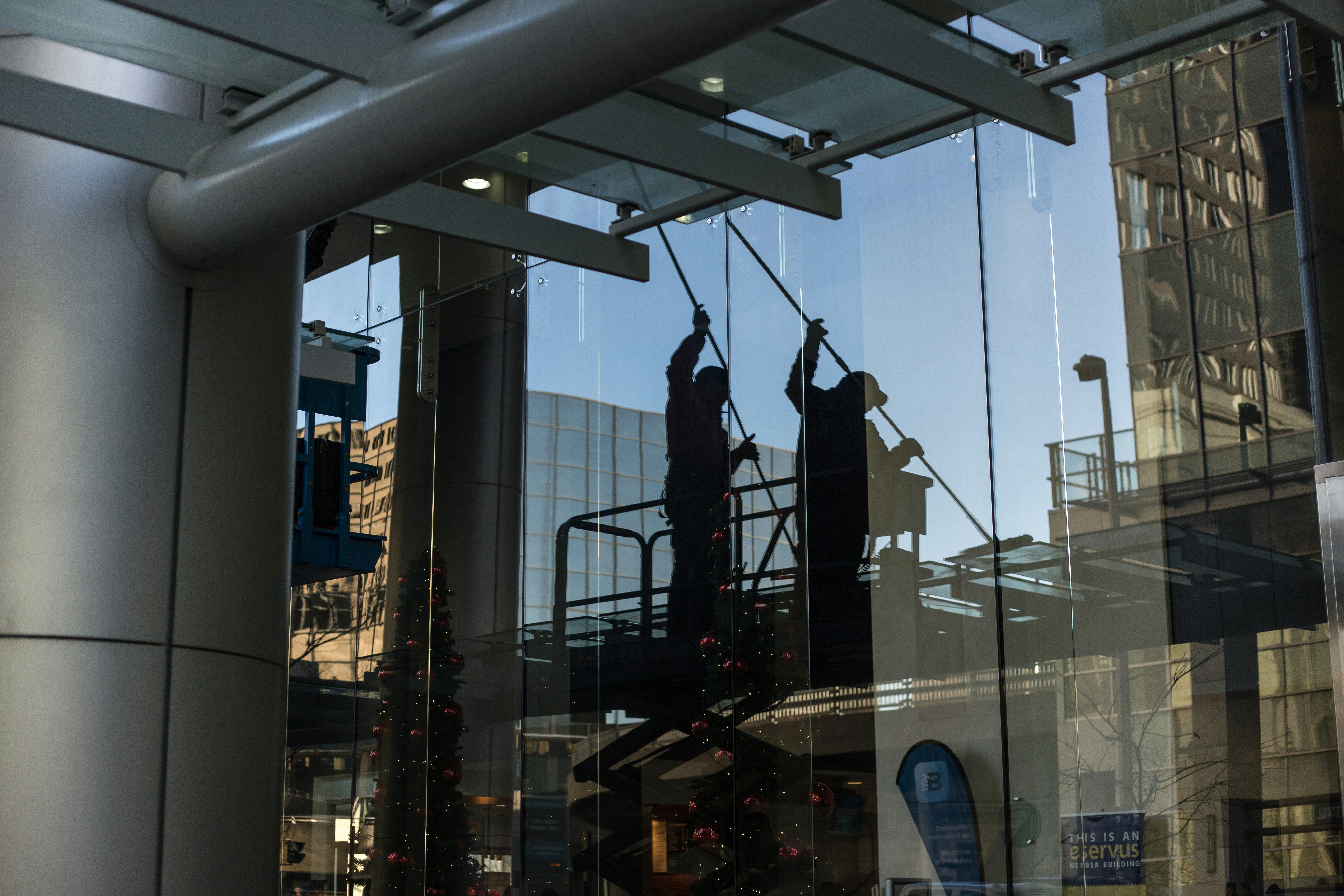
Traditional high-rise window washing methods often require suspended scaffolding, swing stages, rope access technicians, or boom lifts. These approaches can be expensive, disruptive, time-consuming, and expose workers—and property owners—to significant safety risks.
As labor costs rise and workplace safety regulations become stricter, many property managers are asking an important question:
Is there a safer, faster, and more cost-effective way to clean building exteriors?
The answer is yes.
Drone Window Washing technology is rapidly changing the commercial property maintenance industry. Using specialized cleaning drones equipped with precision spray systems, operators can clean windows, facades, cladding, solar panels, and building envelopes without placing workers at dangerous heights.
In this guide, we'll explore how drone cleaning works, compare it with traditional methods, examine cost and safety advantages, and explain why forward-thinking property managers are making the switch.
What Is Drone Window Washing?
Drone Window Washing is an advanced cleaning method that uses industrial drones equipped with:
- Soft-wash spray systems
- Purified water delivery systems
- Low-pressure cleaning technology
- GPS stabilization systems
- High-resolution inspection cameras
Rather than sending technicians over the edge of a building, certified drone operators safely control cleaning equipment from the ground.
The drone sprays purified water and specialized cleaning solutions directly onto windows and exterior surfaces while maintaining precise positioning.
The result is a safer, more efficient cleaning process that can reach difficult areas without traditional access equipment.
How Drone Building Cleaning Technology Works
Step 1: Property Assessment
Before cleaning begins, technicians evaluate:
- Building height
- Exterior materials
- Window conditions
- Environmental factors
- Access restrictions
This assessment determines the best cleaning strategy for the property.
Step 2: Flight Planning
Operators create a detailed flight path that ensures complete coverage while maintaining safe operational procedures.
Step 3: Exterior Cleaning
The drone systematically cleans:
- Glass windows
- Curtain walls
- Building facades
- Metal panels
- Architectural features
- Exterior cladding
Step 4: Quality Inspection
Integrated cameras allow operators to verify cleaning quality in real time and identify any maintenance concerns that may require further attention.
Drone Window Washing vs. Traditional Window Cleaning
Side-by-Side Comparison
| Feature | Drone Window Washing | Traditional Window Washing |
|---|---|---|
| Worker Exposure to Heights | Minimal | High |
| Setup Time | Very Low | High |
| Scaffolding Required | No | Often |
| Swing Stages Required | No | Often |
| Project Disruption | Minimal | Moderate to High |
| Cleaning Speed | Fast | Slower |
| Insurance Risk | Reduced | Higher |
| Accessibility | Excellent | Limited in Some Areas |
| Environmental Impact | Lower | Higher |
| Cost Efficiency | High | Moderate |
For many commercial properties, drones provide significant advantages in both operational efficiency and risk management.
The Biggest Benefits of Drone Window Washing
1. Improved Safety and Reduced Liability
Worker falls remain one of the most serious hazards in building maintenance.
Traditional high-rise cleaning frequently requires:
- Rope access technicians
- Suspended platforms
- Scaffolding systems
- Elevated work platforms
Every time personnel work at height, risk increases.
Drone technology keeps operators safely on the ground while allowing the equipment to perform the dangerous portion of the work.
Safety Benefits Include:
- Fewer fall hazards
- Reduced worker compensation exposure
- Lower liability risk
- Improved compliance with safety protocols
- Less dependence on hazardous access methods
For property owners, reducing risk often becomes one of the most compelling reasons to adopt drone cleaning services.
2. Significant Cost Savings
Commercial property budgets are under constant pressure.
Traditional building cleaning projects often include additional expenses such as:
- Lift rentals
- Scaffolding installation
- Swing-stage setup
- Traffic control
- Extended labor hours
Drone cleaning dramatically reduces many of these costs.
Potential Cost Advantages
Property managers may experience savings through:
- Reduced labor requirements
- Faster project completion
- Less equipment rental
- Lower insurance-related expenses
- Reduced building disruption
While every property is unique, many facilities find drone-based cleaning offers a highly competitive return on investment.
3. Faster Project Completion
Time matters in commercial operations.
Long cleaning projects can interfere with:
- Tenant experiences
- Business operations
- Visitor access
- Parking availability
Drone systems can often clean large surface areas much faster than conventional methods.
Why Drones Are Faster
- No scaffold assembly
- Minimal setup requirements
- Rapid repositioning
- Continuous operation
- Access to hard-to-reach areas
The result is shorter project timelines and less operational disruption.
4. Better Access to Complex Building Designs
Modern architecture often includes:
- Curved facades
- Decorative features
- Setbacks
- Glass curtain walls
- Difficult-to-reach elevations
These elements can complicate traditional cleaning efforts.
Drone technology allows operators to safely access many of these challenging areas without requiring specialized rigging systems.
This makes drone cleaning especially attractive for:
- High-rise office towers
- Condominium buildings
- Hotels
- Hospitals
- Educational facilities
- Corporate campuses
5. Eco-Friendly Cleaning Solutions
Sustainability has become a major priority for commercial property owners.
Drone cleaning supports environmental initiatives through:
Reduced Water Consumption
Many drone systems utilize optimized spray technology that reduces waste.
Lower Equipment Emissions
Traditional methods often require:
- Large lifts
- Service vehicles
- Power equipment
Drone operations typically have a smaller environmental footprint.
Fewer Chemical Requirements
Soft-wash systems frequently rely on purified water and environmentally responsible cleaning agents.
Applications Beyond Window Cleaning
Many property owners are surprised to learn that drone technology can perform much more than window washing.
Building Exterior Cleaning
Drones effectively clean:
- Concrete surfaces
- Metal panels
- EIFS systems
- Architectural stone
- Building facades
Solar Panel Cleaning
Dirty solar panels can reduce energy production.
Drone cleaning helps maintain:
- Solar efficiency
- Energy output
- Long-term panel performance
without requiring technicians to access rooftop installations.
Building Envelope Inspections
High-resolution cameras allow operators to identify:
- Cracks
- Sealant failures
- Water intrusion risks
- Structural concerns
- Surface deterioration
Combining cleaning and inspection services creates additional value for property managers.
Parking Structure Cleaning
Parking facilities accumulate:
- Dirt
- Pollution residue
- Organic growth
- Debris
Drone-assisted cleaning can improve appearance while reducing manual labor requirements.
Ideal Properties for Drone Window Washing
While nearly any commercial building can benefit, drone cleaning is particularly effective for:
Office Buildings
Maintain a professional appearance while minimizing tenant disruption.
Condominiums and HOAs
Improve curb appeal and resident satisfaction.
Hotels
Keep guest-facing windows spotless with less operational interference.
Healthcare Facilities
Reduce access complications around sensitive areas.
Educational Institutions
Maintain campus buildings safely and efficiently.
Industrial Facilities
Access difficult exterior structures without extensive equipment deployment.
Signs It's Time to Switch to Drone Building Maintenance
Consider upgrading to drone cleaning if your property experiences:
- Rising maintenance costs
- Frequent exterior cleaning requirements
- Difficult access conditions
- Safety concerns
- Aging building equipment
- Tenant complaints regarding appearance
- Pressure to improve sustainability efforts
Many facility managers discover that drone solutions address multiple challenges simultaneously.
Questions to Ask Before Hiring a Drone Window Washing Company
Not all providers offer the same expertise.
Before hiring a contractor, ask:
Are Your Operators Certified?
Professional training is essential for safe operations.
Are You Fully Insured?
Verify coverage for both drone operations and property protection.
What Types of Buildings Do You Service?
Look for experience with similar property types.
Do You Offer Inspection Services?
Combining cleaning and inspection can maximize value.
What Cleaning Solutions Do You Use?
Environmentally responsible products should be prioritized whenever possible.
Future Trends in Commercial Building Maintenance
The commercial maintenance industry is rapidly embracing automation.
Emerging technologies include:
- AI-assisted flight planning
- Automated inspection reporting
- Predictive maintenance analytics
- Advanced soft-wash systems
- Integrated building management data
As drone capabilities continue evolving, they are expected to become a standard component of commercial facility maintenance programs.
Organizations that adopt these technologies early may gain advantages in cost control, safety performance, and property preservation.
Drone Window Washing Benefits Checklist
Quick Summary
✔ Reduced worker risk
✔ Lower liability exposure
✔ Faster project completion
✔ Less disruption to tenants
✔ No scaffolding requirements
✔ Better access to complex architecture
✔ Environmentally friendly cleaning
✔ Potential cost savings
✔ Integrated building inspections
✔ Improved curb appeal
Frequently Asked Questions
Is Drone Window Washing safe?
Yes. Drone cleaning significantly reduces the need for workers to operate at dangerous heights, making it one of the safest exterior cleaning methods available.
Can drones clean high-rise buildings?
Absolutely. Specialized cleaning drones are designed specifically for tall commercial structures and difficult-to-access facades.
Is drone cleaning more affordable than traditional methods?
In many cases, yes. Reduced labor, equipment requirements, and setup time often create meaningful cost efficiencies.
What surfaces can drones clean?
Drones can clean windows, facades, cladding, metal panels, solar panels, architectural features, and many other exterior surfaces.
Are drone cleaning solutions environmentally friendly?
Many providers use purified water systems and eco-conscious cleaning solutions designed to minimize environmental impact.
Can drone cleaning replace all traditional cleaning methods?
While drone technology handles many exterior cleaning applications, some situations may still require supplemental manual cleaning depending on building design and conditions.